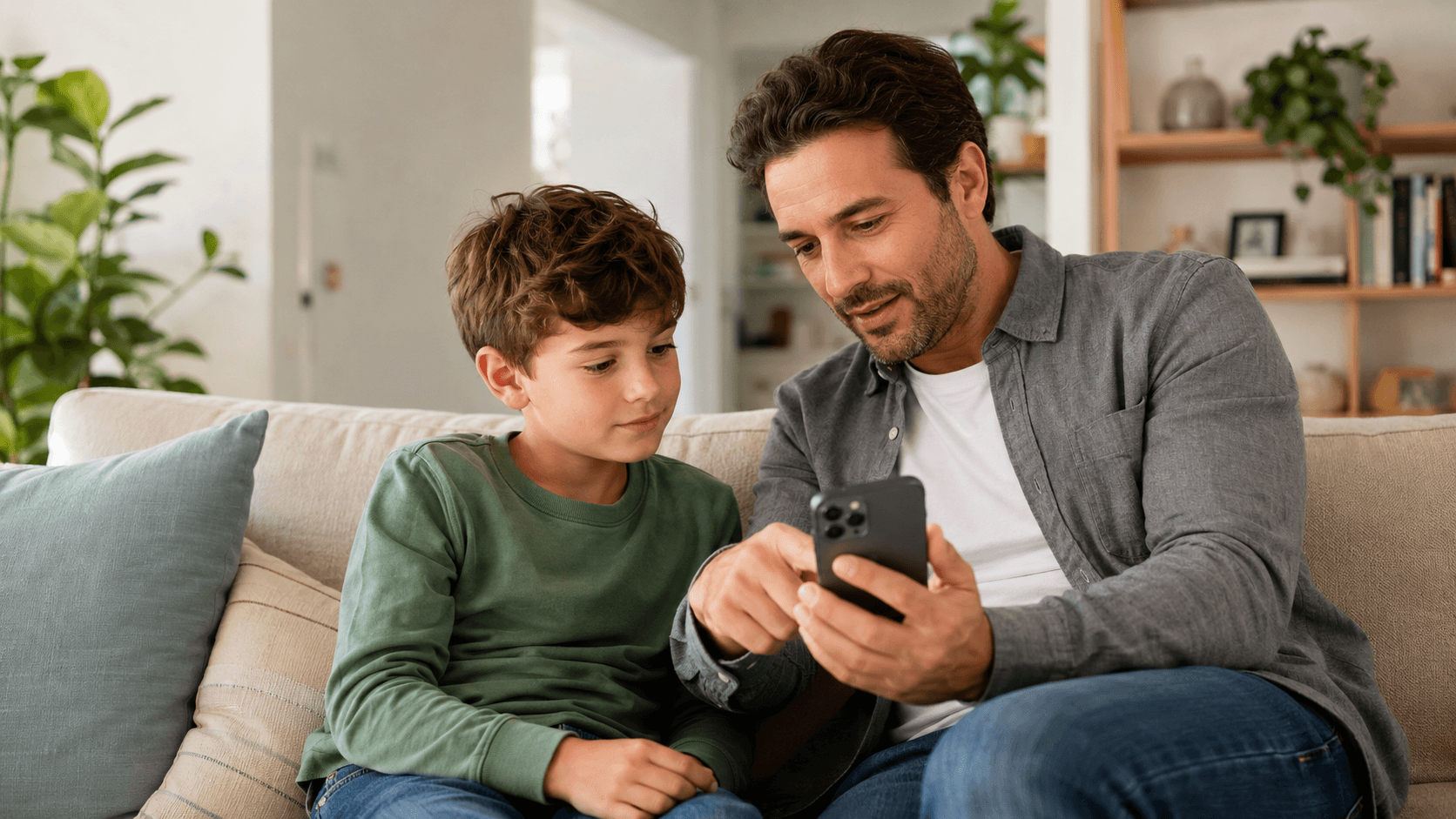
Screens are part of everyday life, but for some children the pull of games, videos, and social apps can start to affect mood, sleep, and focus. Recognizing the early signs of screen overuse helps parents respond with support rather than conflict.
Common Signs to Watch For
- strong frustration or distress when asked to stop using a device
- losing interest in hobbies or offline activities
- trouble sleeping or using devices late at night
- difficulty focusing on schoolwork or conversations
- spending more time on screens than planned, again and again
One or two of these on a busy week is normal. A consistent pattern over time is a better signal that habits need adjusting.
Why It Happens
Many apps are designed to be engaging, with endless feeds and frequent rewards. Children's brains are still developing the self-control needed to step away, so they often need supportive structure from parents.
What Parents Can Do
Set Clear, Consistent Limits
Daily time limits and device-free moments, such as during meals and before bed, give the day a predictable rhythm. Our guide on limiting screen time on iPhone walks through the setup.
Create Screen-Free Zones
Keeping bedrooms and the dinner table screen-free protects sleep and family time without singling anyone out.
Use Tools to Support the Plan
Parental control features can make limits easier to keep. BlockerMax and similar apps let you set app and screen time limits and filter harmful content, so the boundaries hold even on a busy day.
Lead With Connection
Children respond best when they feel supported rather than controlled. Talk about how screens make them feel, model balanced habits yourself, and celebrate offline wins. These tools are most effective as part of a caring, consistent approach.